


Second Hit
The second hit model for PKD and PLD is no longer a theory. It has long been proven to be a truth. It exists as the model for transmitting the expression of the PKD and the PLD gene. It explains why even within families some have a worsen of symptoms and others do not.
What is the significance of the the two-hit model for ADPKD and ADPLD?
PKD cystic organ inheritance comes through our genes. This loads the gun, so to speak. Yet it is actually something in the environment that pulls the
trigger; something else that fires the gun and begins the process of cyst expansion, growth and enlargement of polycystic organs.
This trigger could
be anything that might disrupt DNA - Greg Germino MD. The two-hit mechanism is also in play with a severe PLD cystic liver.

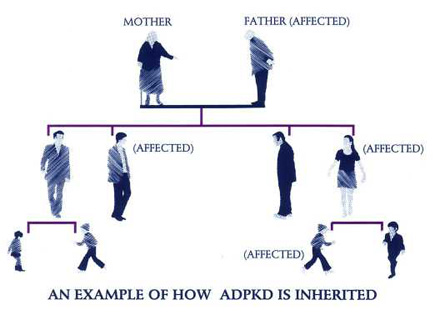
Greg Germino MD was named Deputy Director of NIH National Institute of Diabetes and Digestive and Kidney Diseases. Understanding the two hit model is important for those who strive for PKD health. This model helps explain why within a PKD family there are differences in the manifestation of PKD. As PKD is passed onto future generations, the severity of symptoms seems to increase, with symptoms onset occurring at an earlier and earlier age. Polycystic Kidney Disease or the PKD gene is inherited. By maintaining the integrity of ones own personal DNA, this can squelch the second hit mechanism that causes an increase in cyst numbers and symptoms.
Why protect DNA? Why eat organically?
This second hit comes about through environmental exposure to toxins, to carcinogens, to endocrine disruptors within the surroundings. This can come from food, from chemicals, from sprays. This is the second hit, the missing trigger that starts cyst production within our organs. By limiting exposure to disruptors of DNA we protect our cystic organs from increasing the number of fluid filled cysts. The old idea that genes were our unalterable destiny is no longer true. We have made great genetic advances. Our experience has been that by enjoying certain foods and supplements that protect the integrity of DNA we have succeeded in diminishing many of our symptoms:
Artichoke
B3
Blueberry Juice
Cabbage
Chokeberry
Cranberry Juice
DIMs
Folate
Leafy Greens
Lingzhi
Lotus Root
Milk Thistle
Pomegranate Juice
Reishi
Sunchoke
Saffron
Turmeric
Vitamin D
to name a few.
Correspondence with researchers has revealed compelling evidence to support the existence of the two hit model (2nd hit model) in ADPKD and in ADPLD. There are now multiples of studies supporting this Second hit model. Data below from the pulldown menu of articles, supports a two-hit model.
This data has come from studies on human tissues (both PKD1 and PKD2) and from the PKD mouse models that have genetic mutations of the mouse equivalent of PKD1 and PKD2. The data does not exclude other factors from contributing to ADPKD gene expression, however most investigators agree that these published studies clearly show a role for the presence of a two-hit model present in the pathogenesis of PKD disease production. A paper about ADPLD individuals shows the 2-hit mechanism comes into play.
Can we influence our own DNA replication?
For many this we do influence our own DNA is a truth. Considering trying the PLD/PKD diet yourself to see if it decreases your symptoms. Some have asked for scientific proof. Unfortunately there are no clinical trials with a PKD/PLD diet. However there are other scientific articles that show that we can influence DNA to prevent or minimize DNA breakage during replication. This is all we are after— maintaining the integrity of our own personal DNA.
A 2014 science article shows that DNA can be protected.
A constituent of Crocus sativus (saffron), on methyl methanesulfonate (MMS)-induced DNA damage showed that saffron prevented further DNA damage.
This is what we hope to achieve. We want to assure that our own DNA replication remains solid. When our DNA breaks this is when we get more liver cysts or kidney cysts. With an increase in cysts we experience an increase in symptoms. Included in ADPKD and ADPLD the second hit phenomenon as a part of its core replication process.
Accolades for the DNA Damage Response
From the article:
"The importance to human health of the DNA damage response is obvious to anyone in the medical field. Syndromes arising from mutations
in DNA damage, such as ataxia.
These simple, elegant experiments led to a finding with profound consequences. Irradiated E. coli formed snakelike filaments up to hundreds
of times the length of the cell, owing to a failure of cell division, and eventually most of the cells died."
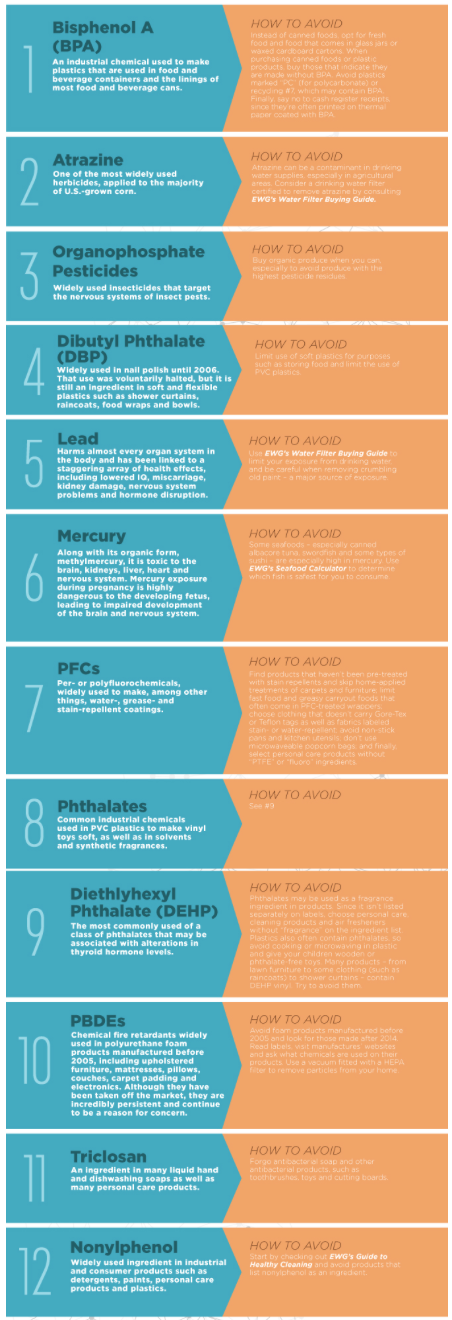
Protect Your DNA Integrity
This article talks about cancer prevention but these items should be avoided to diminish cyst growth and protect ones own DNA.